Blog

My Car Is Scratched and Dented. Is PDR a Good Choice?

Paintless Dent Repair (PDR) is a method of repairing small dents and dings in a vehicle’s body without the need for sanding, painting, or filling. It is an effective and cost-efficient way to repair minor damage to a car’s body.

If the damage to your car’s paint is minor, and the dent is small and shallow, PDR may be a good choice for repairing the damage. However, if the paint is chipped or the dent is deep, PDR may not be the best option, as it may not be able to fully repair the damage. In these cases, traditional auto body repair methods, such as sanding, painting, and filling, may be necessary to fully repair the damage.

It’s always a good idea to have a professional assess the damage to your car and recommend the best repair method. They will be able to give you a better idea of whether PDR is a suitable option for your specific situation.

Should You Buy a Ding Protection Warranty?

A dent protection plan, also known as a paintless dent repair (PDR) plan, can be a good investment if you want to protect your vehicle from dents and dings that can occur from everyday driving. These types of plans typically cover the cost of repairing small dents and dings to the exterior of your vehicle without the need for repainting. This can save you money on repair costs, as traditional body work can be expensive.

In addition to saving you money on repairs, a dent protection plan can also help maintain the value of your vehicle. Small dents and dings can decrease the resale value of your vehicle, so by keeping the exterior of your car in good condition, you can potentially get a higher price when you sell it.

Overall, a dent protection plan can provide peace of mind and help you save money on repairs in the long run. It’s important to carefully review the terms and conditions of any plan you are considering to make sure it meets your needs and budget.

What Tools Does a PDR Technician Use?

Paintless dent repair (PDR) technicians use a variety of specialized tools to remove dents from car bodies without the need for sanding, painting, or filling. The specific tools used may vary depending on the size, shape, and location of the dent, as well as the technician’s personal preferences. Some common tools used in PDR include:

  • Rods: These are long, thin tools that are used to push and manipulate the metal from behind the dent. There are many different types of rods, including straight rods, offset rods, and flexible rods, each of which is designed for specific types of dents.
  • Picks: Picks are thin, pointed tools that are used to get into tight spaces and apply precise pressure to specific areas of the dent.
  • Dollies: Dollies are flat, smooth tools that are used to push and shape the metal from the front of the dent. They come in a variety of shapes and sizes to accommodate different types of dents.
  • Hammers: PDR technicians may also use specialized hammers to apply pressure to the metal from the front of the dent. These hammers are typically lighter and more precise than traditional hammers, and they have a variety of shapes and sizes to accommodate different types of dents.
  • Glue sticks and glue tabs: PDR technicians may use glue sticks or glue tabs to help them pull dents out from the front of the vehicle. The glue is applied to the back of the tab or stick, and then it is pressed against the front of the dent. The technician can then use a rod or other tool to pull the dent out from behind.

Overall, PDR technicians use a combination of these and other specialized tools to remove dents from car bodies in a fast, efficient, and cost-effective manner.

How do I get an estimate?

To get a paintless dent repair estimate, follow these steps:

  1. Find a reputable paintless dent repair technician or shop in your area. You can search online or ask for recommendations from friends or family.
  2. Take photos of the dent or dents from multiple angles. Make sure the photos are clear and well-lit, and include close-up shots as well as photos of the entire panel or area with the dent.
  3. Contact the technician or shop and explain the damage. Provide them with the photos of the dent or dents and any other relevant information, such as the make and model of your vehicle.
  4. The technician or shop will review the photos and information and provide you with an estimate for the repair. Be sure to ask about their experience and any warranties or guarantees they offer.
  5. Once you have received an estimate, you can decide whether to proceed with the repair or explore other options.

By following these steps, you can get a reliable estimate for paintless dent repair and make an informed decision about the best course of action for your vehicle.

Is Paintless Dent Repair Expensive?

Paintless dent repair (PDR) is a process that allows technicians to remove dents from car bodies without the need for sanding, painting, or filling. In general, PDR is a more cost-effective option for dent repair compared to traditional methods that involve sanding, painting, and filling.

There are a few factors that can affect the cost of PDR, including the size and location of the dent, the type of vehicle, and the severity of the damage. In general, larger dents or dents that are located in hard-to-reach areas may be more expensive to repair. Additionally, some types of vehicles may be more difficult to work on, which could also affect the cost.

That being said, PDR is generally much less expensive than traditional dent repair methods. Because it does not involve the use of any expensive materials or equipment, PDR can save car owners hundreds or even thousands of dollars on repairs. In addition, PDR is typically much faster than traditional dent repair methods, which can also save money on labor costs.

Estimates can usually be obtained thru text or email. Simply take a few photos of the damage and send them to: 717-330-9009. Or, dentsbegone@gmail.com

How is Paintless Dent Repair Done?

Paintless dent repair (PDR) is a process that allows technicians to remove dents from car bodies without the need for sanding, painting, or filling. While it may not be suitable for every type of dent or damage, PDR is a popular choice for many car owners because it is fast, cost-effective, and does not affect the original finish of the car.

So, how is PDR done? The process typically involves the following steps:

  1. Assessing the dent: The first step in PDR is to assess the size, shape, and location of the dent. This helps the technician determine whether PDR is a viable option and, if so, what techniques will be needed to remove the dent.
  2. Gaining access to the back of the dent: In order to access the back of the dent, the technician will need to remove any trim pieces or panels that are covering it. This may involve using specialized tools to carefully pry the panels away from the body of the car.
  3. Massaging the dent: Once the technician has access to the back of the dent, they will use a variety of specialized tools to gently massage the dent from behind. These tools may include rods, picks, and other instruments that are designed to push and manipulate the metal back into its original shape.
  4. Checking for smoothness: After the technician has worked on the dent, they will use a light to check for smoothness. If there are any low or high spots, they will need to be addressed before the process is complete.
  5. Reattaching trim pieces: Once the dent has been successfully removed, the technician will reattach any trim pieces or panels that were removed during the process.
  6. Cleaning and polishing: Finally, the technician will clean and polish the area to ensure that it looks as good as new.

Overall, the process of PDR involves a combination of skill and precision. Technicians must be able to accurately assess the dent, use the right tools and techniques, and pay close attention to detail in order to achieve the best results. If you are considering PDR for your vehicle, be sure to choose a reputable technician who has experience and training in this specialized field.

Why Use Paintless Dent Repair?

Paintless dent repair (PDR) is a process that allows technicians to remove dents from car bodies without the need for sanding, painting, or filling. While it may not be suitable for every type of dent or damage, PDR has a number of benefits that make it an attractive option for many car owners.

One of the biggest benefits of PDR is that it is much faster than traditional dent repair methods. Because it does not involve any sanding or painting, PDR can typically be completed in a matter of hours rather than days. This can be especially convenient for people who rely on their car for daily transportation and cannot afford to be without it for an extended period of time.

Another advantage of PDR is that it is much more cost-effective than traditional dent repair methods. Because it does not require the use of any expensive materials or equipment, PDR can save car owners hundreds or even thousands of dollars on repairs. This is especially important for people who have older cars or limited budgets for auto repairs.

In addition to being fast and cost-effective, PDR is also a more environmentally friendly option for dent repair. Traditional dent repair methods can generate a significant amount of waste in the form of sanding dust, paint overspray, and other materials. PDR, on the other hand, does not produce any waste, making it a more sustainable choice for car owners who are concerned about their environmental impact.

Another benefit of PDR is that it can help to preserve the value of a car. When a car is repainted, it can lose some of its value because the new paint may not match the original color exactly. This can be especially noticeable on older cars with original paint that has faded over time. PDR, on the other hand, does not involve any painting, so it does not affect the original finish of the car.

Overall, paintless dent repair is a versatile and cost-effective option for removing dents from car bodies. It is fast, environmentally friendly, and can help to preserve the value of a car. If you are considering dent repair for your vehicle, be sure to ask about PDR as a potential option.

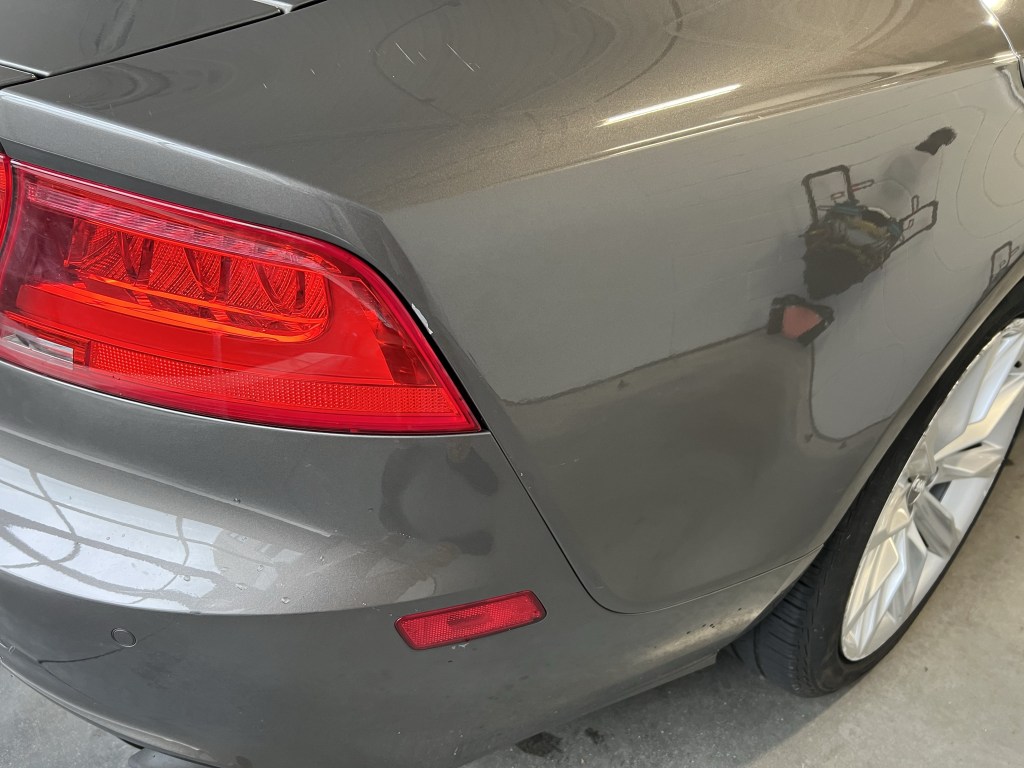
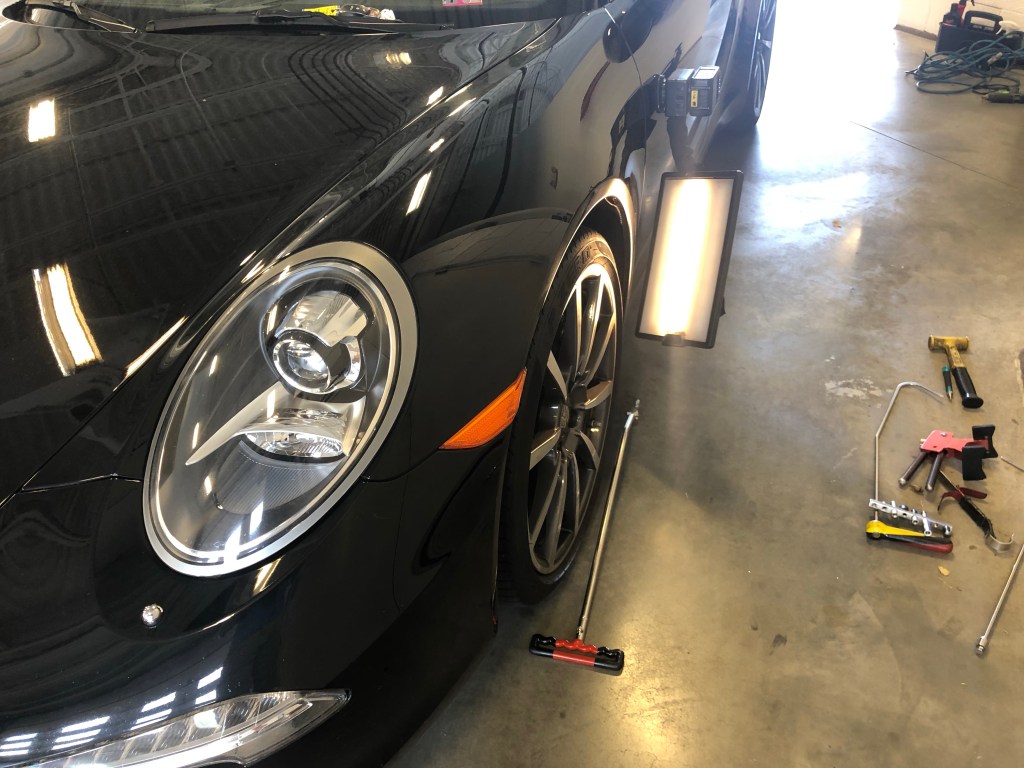
Dinged Your Sports Car?

Porsche 911 fender repair

If your pride and joy, weekend only, garage queen somehow got damaged, trust the experts at Dents Be Gone! Inc. to make your vehicle look great again. Text photos to:717-330-9009 for a free estimate.

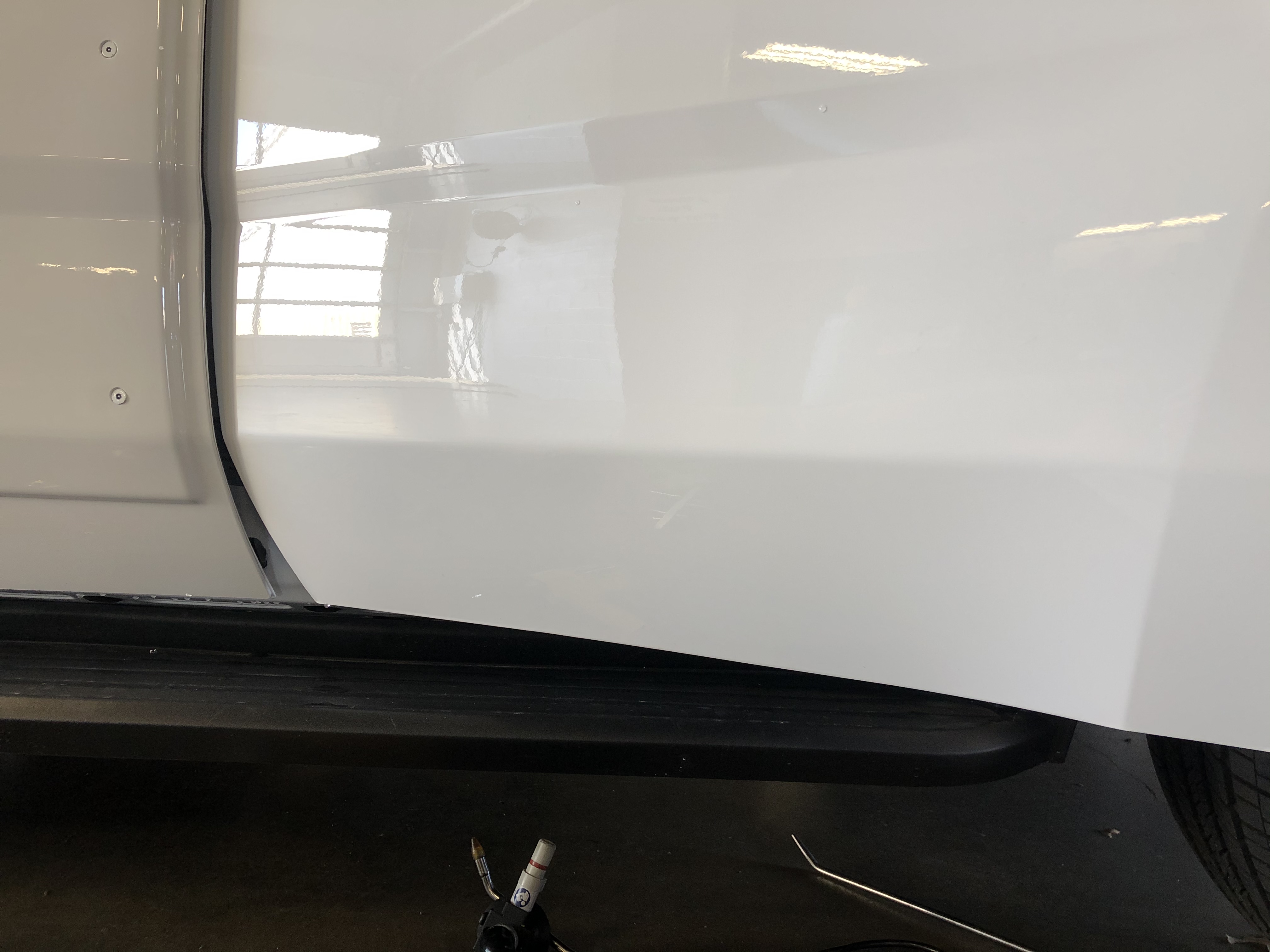
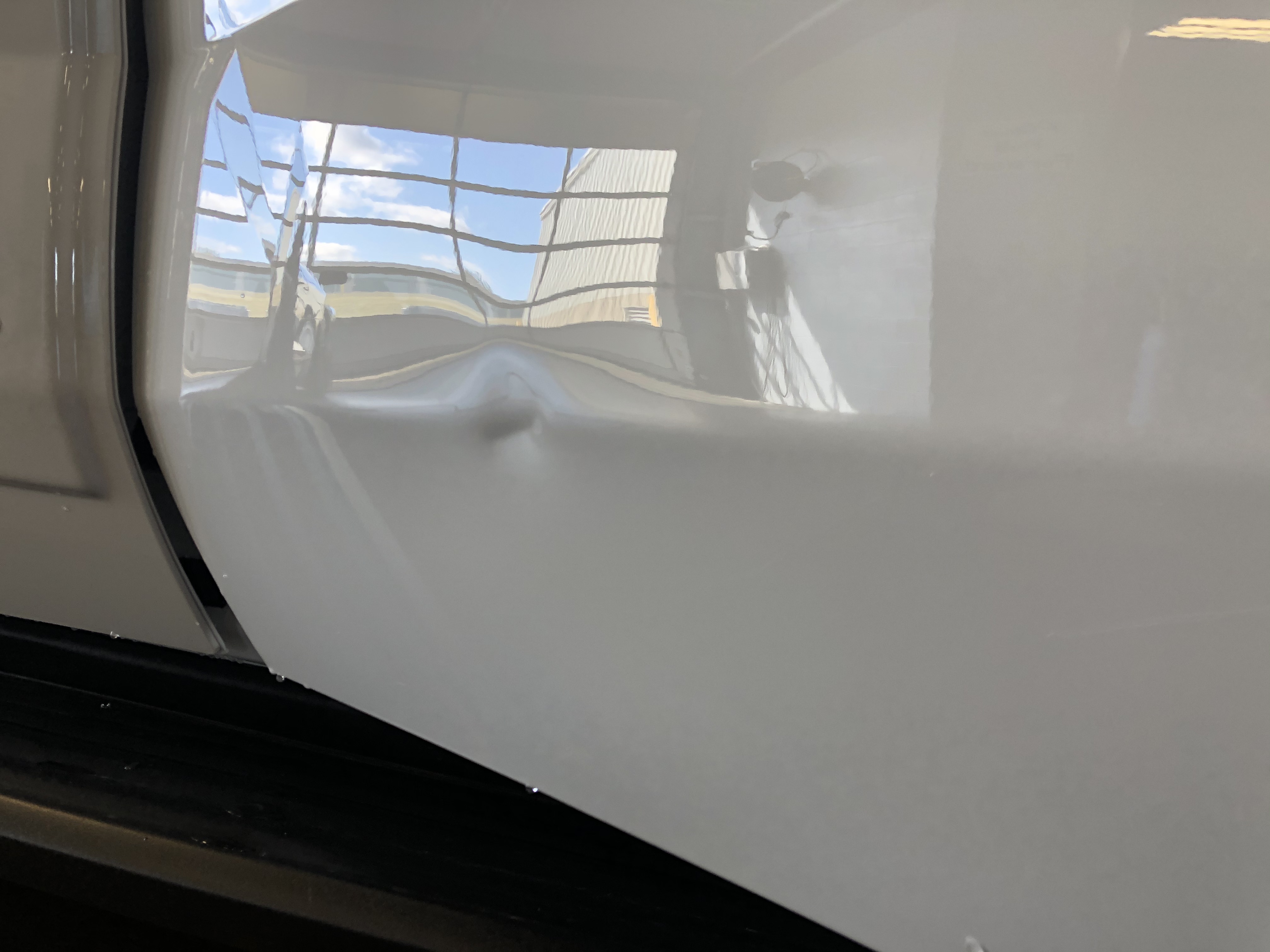
2019 Tahoe

Even new cars get damaged! Yes, it’s true brand new cars can get damaged during transit or in holding lots. But this new Tahoe was restored to new condition!