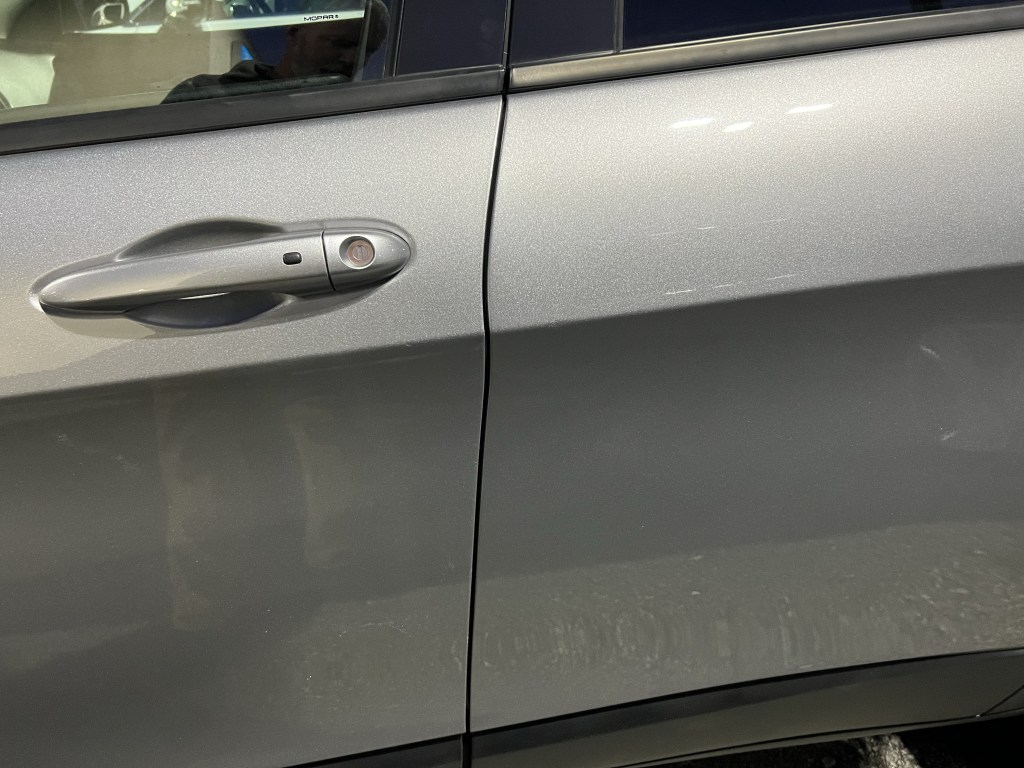
How To Find a Competent Technician?

Finding a competent Paintless Dent Repair (PDR) technician is essential to ensure high-quality repairs on your vehicle. Here are steps to help you locate and evaluate a skilled technician:


1. Ask for Recommendations

  • Word of Mouth: Ask friends, family, or coworkers for recommendations based on their personal experiences.
  • Local Dealerships and Body Shops: Many dealerships and repair shops subcontract PDR work. They can often recommend a trusted technician.

2. Check Reviews and Ratings

  • Online Platforms: Look for reviews on Google, Yelp, or automotive-specific sites like RepairPal.
  • Social Media: Some PDR technicians share their work on Instagram, Facebook, or YouTube. Viewing their past projects can give insight into their expertise.

3. Verify Credentials and Experience

  • Certification: Ensure the technician is certified by a reputable organization like the National Alliance of Paintless Dent Repair Technicians (NAPDRT) or PDR Nation.
  • Experience: Ask how long they’ve been performing PDR and if they specialize in certain types of damage (e.g., hail repair, door dings).

4. Inspect Their Work

  • Portfolio: Ask for before-and-after photos of their previous work. Look for seamless results with no visible imperfections.
  • References: Request references from past clients if available.

5. Ask About Tools and Techniques

A good PDR technician uses advanced tools like LED light boards and magnetic induction systems. They should be able to explain their process confidently and answer any questions you have.


6. Request a Free Estimate

  • A professional PDR technician will offer a detailed estimate after inspecting the damage.
  • Compare quotes from multiple technicians, but avoid choosing solely based on price. Cheaper isn’t always better.

7. Confirm Warranty or Guarantee

A competent technician should provide a warranty on their work. This shows confidence in their ability and ensures you’re covered if issues arise later.


8. Check Their Business Setup

  • Licensed and Insured: Ensure the technician operates legally and carries liability insurance to protect against accidental damage during repairs.
  • Mobile Services: Some technicians offer mobile PDR services, which can be convenient, but confirm their setup is professional and equipped for quality work.

9. Look for Specialization

  • Vehicle Type: Some PDR technicians specialize in specific vehicle makes and models or materials like aluminum panels.
  • Damage Type: If your car has extensive hail damage or deep dents, find a technician experienced in these specific repairs.

10. Test Their Communication

Competent technicians will explain the process, set realistic expectations, and address your concerns professionally. Good communication is a strong indicator of reliability.


By thoroughly researching and evaluating your options, you can find a skilled and reputable PDR technician to restore your vehicle to its original condition.

Can History Be Repaired?

While we can travel back in time, it is possible to repair those small accidents that occurred many years ago.

Today Barry is repairing a 1991 Volkswagen Vanagon camper van. Though some of these dings occurred many years ago, the next owner may never know the van was ever damaged. Almost like traveling back in time!

Repairing a 1991 Vanagon

Can a dented body-line be repaired with Paintless Dent Repair?

Yes, PDR can be used to repair dents in body lines. A body line is a crease or indentation in the metal of a car’s body panel that adds shape and design to the vehicle. Dents in body lines can often be repaired using PDR, especially if the dent is small to medium in size and is located in an area of the panel that can be accessed from the inside. PDR technicians use specialized tools to massage the dent out of the panel from the inside, without the need for paint or other materials. However, if the dent is too large or is located in a difficult-to-access area of the panel, it may not be possible to repair it using PDR. In that case, other methods such as traditional body repair or panel replacement may be necessary.

How do I take good photos for a Paintless Dent Repair estimate?

To take good photos for a paintless dent repair estimate, follow these steps:

  1. Clean the area around the dent so that it is visible and easy to see.
  2. Stand six away from the vehicle and take a photo of the entire panel or area with the dent.
  3. Take photos of the dent from multiple angles, including the top, bottom, and sides.
  4. Use a flashlight or other light source to highlight the dent and make it easier to see.
  5. Avoid using flash photography, as it can distort the appearance of the dent and make it difficult to accurately assess the damage.
  6. Make sure the photos are in focus and well-lit.
  7. If possible, use a ruler or other measuring tool to show the size of the dent in the photos.

By following these steps, you can take high-quality photos that will help the paintless dent repair technician accurately assess the damage and provide a reliable estimate for the repair.

Paintless Dent Repair?

Paintless dent repair is a method for removing small dents and dings from the body of a car without the need for sanding, painting, or other traditional body repair techniques. It is typically faster and more cost-effective than traditional repair methods, and it can often be done in a single day and possibly while you wait. The process involves using specialized tools to massage the dent out from the inside of the panel, returning it to its original shape. If you are interested in learning more about paintless dent repair or finding a professional to perform the service, you may want to search online or ask for recommendations from friends or colleagues.

Will glue pulling a dent damage my paint?

It is generally recommended to have a professional perform the glue pulling process, as they will have the necessary tools and experience to do it safely and effectively. They will also be able to assess the condition of the paint and advise you on the best course of action. If you do decide to try glue pulling yourself, be sure to follow the instructions carefully and use a high-quality adhesive to minimize the risk of damage to your paint.

How large of a dent be fixed with PDR?

The size of the dent that can be repaired using paintless dent repair (PDR) techniques depends on several factors, including the location of the dent, the type of metal on the vehicle, and the skill level of the technician. In general, PDR is most effective for dents that are smaller than a baseball and are located on a flat or slightly curved panel.

However, even larger dents can sometimes be repaired using PDR techniques, depending on the specific circumstances. For example, if the dent is located on a flat panel and the metal has not been stretched or creased, it may be possible to repair it using PDR. Similarly, if the dent is located on a panel that is easily accessible from behind, it may also be repairable using PDR.

If the dent is too large, too deep, or is located on a panel that is not easily accessible, traditional bodywork techniques may be needed to repair it.

My lease is up. Should I repair the dings before I turn my car in?

If you are returning a leased vehicle at the end of the lease period, it is generally a good idea to have any dings or dents repaired before you return the car. This is because leased vehicles are typically inspected when they are returned, and any damage that is not considered “normal wear and tear” may result in additional charges.

If the dings or dents on your vehicle are minor and can be repaired using paintless dent repair (PDR) techniques, this may be a good option. PDR is a technique that allows technicians to remove dents and dings from vehicles without damaging the paint finish, and it can be less costly and time-consuming than traditional bodywork.

However, if the dents or dings are severe or if the paint finish has been damaged, you may need to have traditional bodywork done to repair the damage. In this case, it is important to get an estimate of the cost of the repairs before you decide whether to have the work done.

Ultimately, the decision of whether to repair the dents or dings on your leased vehicle before returning it will depend on the severity of the damage, the cost of the repairs, and your personal preference.

What is the Origin of Paintless Dent Repair?

The origin of paintless dent repair (PDR) is shrouded in mystery, as the technique has likely been around for as long as vehicles have been on the road. However, the first recorded mention of PDR is from the 1930s, when it was mentioned in a trade magazine for body shop technicians. At that time, the technique was probably only known to a select few specialists and was not widely used.

PDR was likely developed as a way to repair dents and dings in vehicles without resorting to traditional bodywork methods, which often involved filling and sanding the damaged area and then repainting the entire panel. PDR allows technicians to fix dents and dings without damaging the original paint finish, which can be more time-consuming and costly to repair.

Over time, PDR techniques have evolved and improved, and the method has become more popular with body shops and repair facilities around the world. It is now seen as a quick, effective, and economical way to repair dents and dings in vehicles.

Should I Try To Do My Own Dent Repair?

If you have no experience with paintless dent repair, it may be difficult for you to successfully complete the repair on your own. Paintless dent repair is a technique that involves carefully manipulating the metal of a car panel to remove dents or dings. It requires a skilled hand, attention to detail, and specialized tools. If you are not confident in your ability to perform the repair correctly, it is probably best to leave it to a professional.